

On Puttering
When the world feels heavy, move slower.

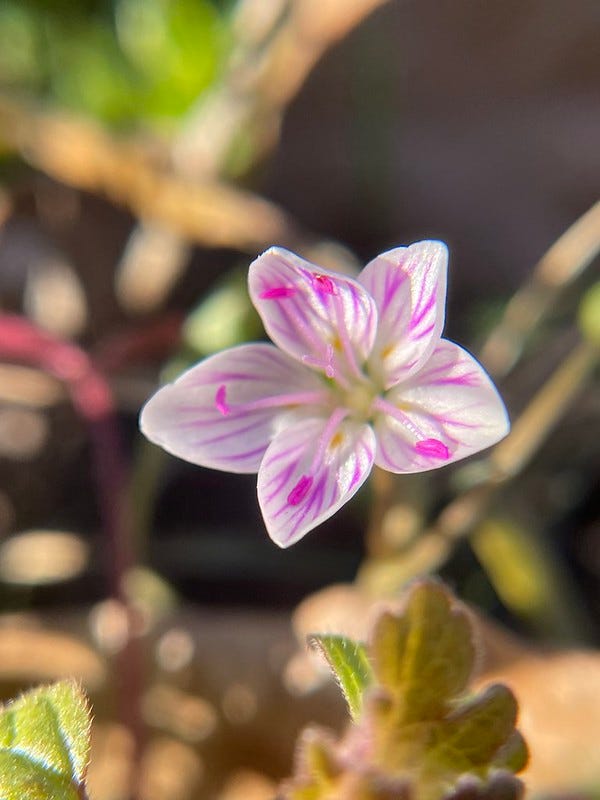
It’s amazing how quickly my optimism at returning to writing here on a semi-regular basis was obliterated once the weeks started ticking by this month. Because, wow, were we expecting 2026 to start like this?
My mental state, for a variety of reasons, has been all of over the place. I find the twinge to write but don’t have time. Have the time, but don’t have the twinge. Repeat ad nauseum. The world is crashing down around us and all I want to do is poke around outside on a trail, walking very slowly, to look for little bits of nature to iNat or take photos of. I have no agenda other than being quiet. I do not want to think (which is very difficult when you have ADHD and your mind is never quiet except for a few precious hours when meds kick in) and just want to see. Puttering.
I’m still coming down off of the frenzy of finishing my book. I have a pile of accessory documents to finish and am hoping that holing up in the house this weekend for the winter weather that’s predicted will knock a significant chunk of that off my to-do list so I can move forward with being able to do other things. I never want to think of this book again once I finish what I need to do. Which is a problem because it will be published eventually and then I will have to market it so I can sell it. And I will. But I need to wade through the burnout first. Do other writers have this problem? Working on a project for so long that eventually they want nothing to do with it? It’s not like I hated the subject or even doing the work itself but it took up so much space in my brain that looking at it now kind of makes me turn my nose up to it all. I just thought of a metaphor: I tend to get fixated on certain foods for long periods of time and then bam it becomes disgusting and I want nothing to do with it. Of course I’ll come back around to it in like six months to a year, though sometimes I never come back to them. (I’m looking at you Knorr rice and pasta sides…I never want to eat you again. Thank you thru-hiking!)
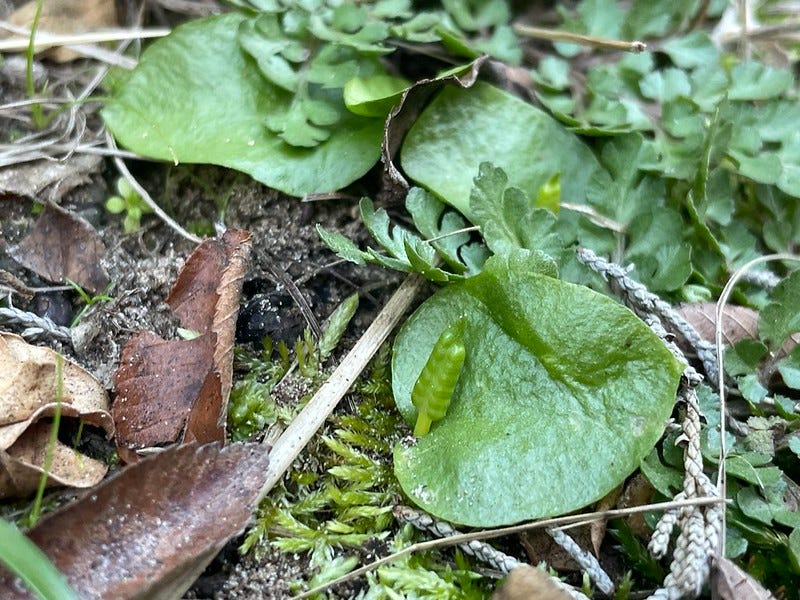
Digression aside, things just feel and are hard right now and I don’t think I’m alone in that notion. I’ve been filing away items I’ve seen the last few months to write about: AI data centers and the associated powerline and pipelines that are being considered to power them; public lands; sprawl; book reviews; naturalist interviews; conservation as a long term strategy; normalcy bias…and on. Where do I even start?
One thing I learned about the Big Thicket and the conservation around that is the work is never ending. It took several decades of dedicated work to see results and the results were only a sliver of the intended goal. At least we got the sliver because it would absolutely all be gone if nothing had been done. The effort wasn’t a one person job. It took someone(s) to write strong editorials in magazines and newspapers condemning officials for impeding progress on the project; others to be vocal in public meetings or at legislative sessions; quieter folks to coordinate with landowners and public officials behind the scenes; elected officials who acted with integrity and empathy to conservation efforts; and countless volunteers who came to meetings, led hikes, organized protests, letter writing campaigns, and talked to neighbors to sway opinions.
Conservation of the Big Thicket did not come without strife from opponents and that carries across other public land conservation efforts to this day. We lack significant science and environmental education in this country and honestly, throughout the world. The last few weeks Joey Santore of Crime Pays but Botany Doesn’t has been ranting about issues he’s facing in his Lower Rio Grande Valley town just because he wants to plant a native tree in a hellstrip to eventually create shade in the neighborhood to counteract the urban heat island effect in his community. He’s run into problems from neighbors seemingly being afraid of the tree because the leaf litter it may produce is considered “dirty” to them, to local law enforcement zoning out moments after Joey starts talking to explain the real issue, and town officials getting grouchy about him even wanting to do this at all because, well, it is counter to how things operate in cities in general.
So, you have Joey wanting to plant one tree and getting so much flack for it, meanwhile we’re facing environmental destruction from AI data centers and more. While there are people upset about the data centers, government agencies are rolling over and letting it happen because, well, who cares if habitat is destroyed, water resources are depleted, and new power plants are being built near neighborhoods just to power these data centers. One tree = the world ending and such a difficult ordeal. Destroying ecosystems = good for business!
This is what we’re up against. The cognitive dissonance is LOUD.
How do you counteract such ingrained cross-cultural disdain for the environment? It takes upending the systems we are living in, which is capitalism for sure, as well as other anti-nature systems that promulgate this ethos. Unfortunately I won’t see this reversal in my lifetime and neither will most (any?) of y’all reading this.
Which is why I’ve just been puttering. Because crouching down to look for liverworts, lichens, and tiny little plants has been far more regulating to my brain than trying to figure out how to write about all of this.
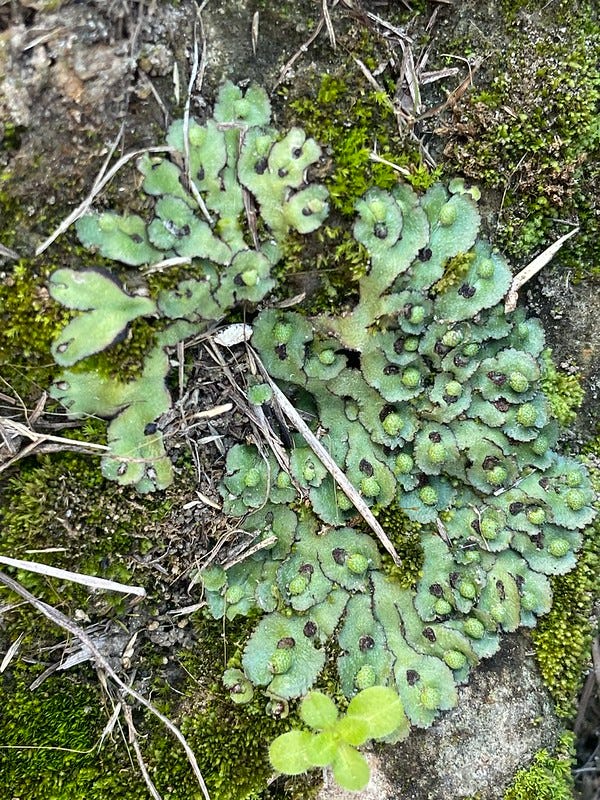
As a Corpus Christi native, I love Joey so much for challenging the status quo and just being balls-to-the-wall outspoken about the stupidity of local land caretaking, and for teaching me about the unique flora I did not appreciate growing up. It's not something I think a woman could get away with, sadly.
The cleanliness thing (about leaves) is pretty-hard wired in a lot of cultures, but I especially noticed this paranoia the most in nice areas of Mexico City, which employs giant fleets of sweepers with handmade brooms. It does keep the city neater and provides work to desperate ppl, but strips the topsoil and adds to the dust.
Limestone County? That’s not far from Waco. I really need to venture out more. Ft Parker was a nice botanical surprise when I visited 6 years ago. I wasn’t expecting post oak savannah so near to here but nature’s boundaries don’t always align with the lines on a map of biogeographical zones. My nature attractions tend to go west-a personal problem I guess. Thanks for posting.